
O conceito de Fusion Marketing deriva da característica do Marketing de Guerrilha de privilegiar a cooperação com outros negócios em vez de competir com eles. Duas ou mais empresas (designados por “power partners”), com um público-alvo comum, fazem uma parceria que visa a promoção/recomendação da outra, e vice-versa.
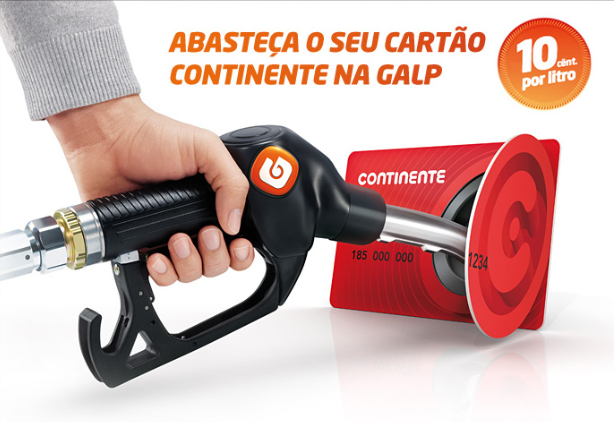
Em Portugal, nos últimos tempos esta técnica de Marketing tem sido bastante dinamizada pelas parcerias entre as gasolineiras e os hipermercados, de que são exemplo a Galp + Continente e BP + Pingo Doce.
Abaixo ficam os “passos” sugeridos por Al Lautenslager para a criação de parcerias de Fusion Marketing:
• “Step 1: Define your power partners. A power partner is someone who has similar prospects as you and who could benefit from the same type of prospects, but isn’t in the same business. Examples: landscaper/builder, realtor/mortgage broker, network marketer/entrepreneur, massage therapist/chiropractor.
• Step 2: Figure out with your power partner what your offer will be. Maybe the printer gives a two-for-one offer while the designer offers to design a logo along with the design piece of a direct-mail piece. Maybe the attorney offers a free consultation on wills while the insurance salesperson offers a tips list on avoiding probate tax. Maybe the massage therapist offers a free midday office visit for a massage break while the chiropractor offers a back adjustment. Figure out what joint offer makes sense.
• Step 3: Write up a general letter of agreement. This doesn’t have to be a major-league legal document, but the one thing that hinders an alliance is lack of communication. This assures who does what and gets what. It can be a simple e-mail exchange.
• Step 4: Package it up. Write all the verbiage: the marketing copy, sales letter, press releases (if appropriate), e-mail letters, etc. Either have both businesses write it up and compare notes or have one write it and let the other approve. Be creative here. Be benefit-oriented. What’s in it for the prospect?
• Step 5: Combine mailing lists and communicate to both sets. Don’t worry about who has more or less–just combine them. When I put my list together with your list we both have a list much bigger than if we did it alone. You can do this with direct mail or e-mail; obviously e-mail is cheaper.
• Step 6: Be responsive to any responses. Fulfill offers; make it easy to sign up, to buy, to take the next step and keep track. Follow up and attention will convert prospects into paying customers. Share leads and conversions for future follow-up and future marketing.
• Step 7: Follow up. Both businesses should continue marketing to each of the converted people as follow-up marketing.”
Fica um exemplo, retirado de http://mktpt.blogspot.com/2006/06/fusion-marketing-ideias.html, que retrata bem o que é Fusion Marketing:
“O dono de um antiquário, Jack Livingston, encontrou uma forma de anunciar na rádio usando outdoors. Livingston já tinha comprado vários painéis para divulgar sua loja, quando descobriu uma estação de rádio que usava formatos diferenciados de propaganda.
Ele fez uma proposta inovadora, e o a rádio aceitou. A proposta foi : Livingston ofereceu-se para colocar a logomarca da rádio em todos os outdoors, em troca de espaço no rádio.
O resultado agradou tanto a ambas as partes que depois eles desenvolveram um projecto em parceria – um programa de rádio sobre antiguidades.”